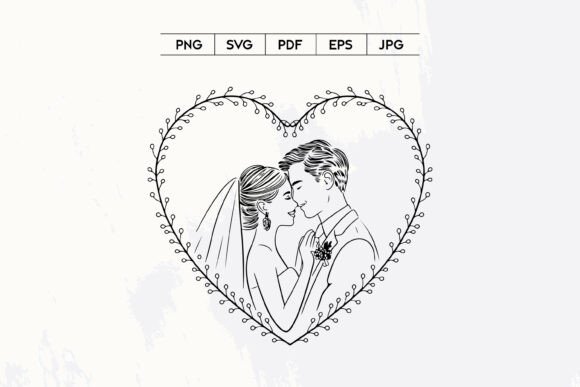
Wedding Couple Heart Line Art Portrait: A Designer's Guide
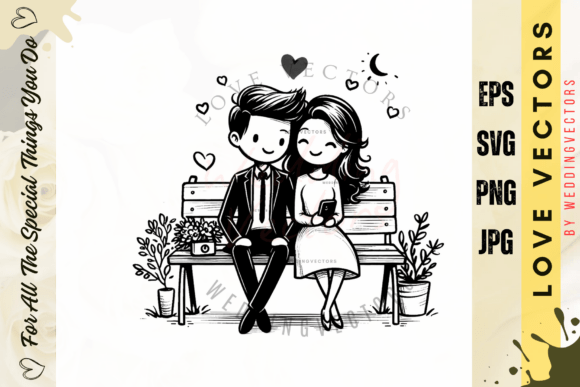
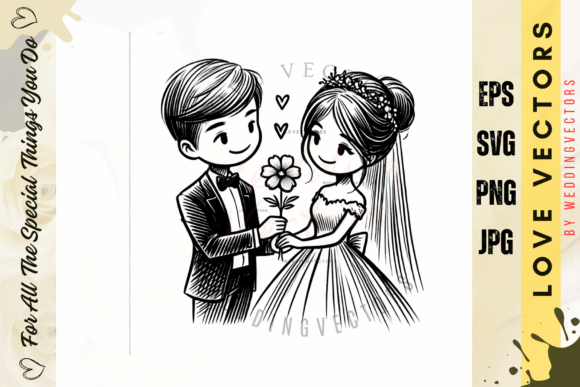
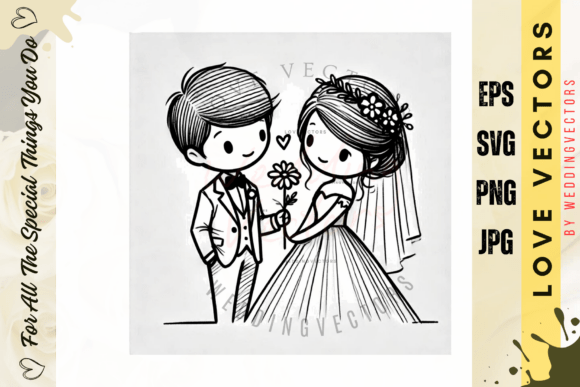
There's something undeniably powerful about simplicity in design. A single, continuous line can convey emotion, tell a story, and capture a moment with an elegance that complex graphics often struggle to achieve. This is the core appeal of a Wedding Couple Heart Line Art Portrait. It’s not just a decorative element; it’s a visual shorthand for connection, love, and celebration, making it a versatile asset for a wide range of creative projects.
For designers, entrepreneurs, and content creators, having a high-quality, versatile graphic like this in your toolkit is a game-changer. It provides an instant emotional resonance that can be applied across branding, marketing, and personal projects. The clean, minimalist aesthetic fits seamlessly into modern design trends while retaining a timeless quality, ensuring your work doesn't feel dated next season.
More Than Just a Pretty Picture: The Practical Power of Line Art
The true value of a Wedding Couple Heart Line Art Portrait lies in its adaptability. Think beyond the obvious wedding invitation. This single design asset can serve as the cornerstone of a cohesive visual identity or a standout element in a marketing campaign.
Consider its application in brand identity. A boutique wedding planning service could use this line art as a subtle watermark on proposals, a recurring motif on their website, or the central element of their logo. For a jewelry brand specializing in couples' rings, it could become a signature icon used on packaging, social media headers, and product tags, instantly communicating the brand's niche without a single word.
The file formats you receive—PNG, SVG, EPS, PDF, JPG—are critical for this flexibility. A SVG file is perfect for web design, as it scales infinitely without losing quality, ensuring your site looks sharp on any screen. An EPS or PDF is ideal for professional print work, from posters and editorial layouts to high-resolution merchandise. The PNG with a transparent background is your go-to for layering in social media graphics or digital product mockups.
From Digital Screens to Physical Products: Where This Art Shines
Let's break down the practical uses, moving from the digital realm to the physical world. In web design and blog development, this graphic can be used as a decorative divider, a featured image for articles about relationships or weddings, or an elegant background pattern when tiled subtly. It adds visual interest without overwhelming the content.
For social media graphics, it's a goldmine. Create engaging Instagram Stories with the line art as a frame. Design Pinterest pins for wedding inspiration boards that stand out in a crowded feed. Use it as a profile picture watermark to protect your work while maintaining a professional look. The simplicity ensures it remains recognizable even at small sizes.
The applications extend powerfully into print materials and packaging design. Imagine this portrait on the belly band of a wedding favor box, embossed on the cover of a couple's photo album, or screen-printed onto tote bags for a bridal party. For merchandise, it translates beautifully onto mugs, t-shirts, and greeting cards, offering a sophisticated alternative to more literal or cartoonish designs.
Integrating the Art: A Guide to Font Pairing and Design Harmony
A standalone graphic is useful, but its power multiplies when paired thoughtfully with typography. The key is to let the line art's personality guide your font choices. Since the portrait is likely elegant and fluid, you have a few complementary paths.
For a classic, romantic feel, pair it with a refined serif font like Playfair Display or Cormorant. This combination works wonders for invitations, formal event branding, and high-end editorial design. The serifs echo the traditional craftsmanship of the line art.
If your project leans modern and minimalist, opt for a clean sans serif font such as Montserrat or Lato. This creates a contemporary, airy look perfect for a modern wedding website, a chic boutique's branding, or sleek marketing assets. The contrast between the organic line art and the geometric sans serif is visually striking.
A third option is to use a script font or handwritten font for accents. Use it sparingly for a tagline or a couple's names to inject a personal, handcrafted touch. The rule of thumb here is legibility: ensure the script is clear enough for its intended size, especially for body text on a website or small print.
Smart Design Choices: Ensuring Your Project Succeeds
Before you dive in, a few practical considerations will ensure your project's success. First, test your font pairings in context. Don't just look at the fonts side-by-side; place them with the line art portrait in a mockup of your final product—be it a website header, a business card, or a social media post. How do they interact visually?
Second, always prioritize readability. The most beautiful font is useless if your audience can't read it. Pay attention to font size, line height (leading), and color contrast. A dark gray font on a white background is often more readable and softer on the eyes than pure black on white.
Third, understand the licensing of the assets you use. The included files for the line art portrait should come with a license that clarifies its use for both personal and commercial projects. This is non-negotiable for professional work. Reputable design assets will always provide this clarity, protecting you and your client.
Ultimately, a Wedding Couple Heart Line Art Portrait is more than a clipart file. It's a design asset that embodies emotion and versatility. By understanding its strengths and pairing it with the right typography and strategic thinking, you can elevate your projects from simple designs to compelling visual stories that resonate with your audience and strengthen your brand's identity.